



Graduate Programs

Push your success to the next level
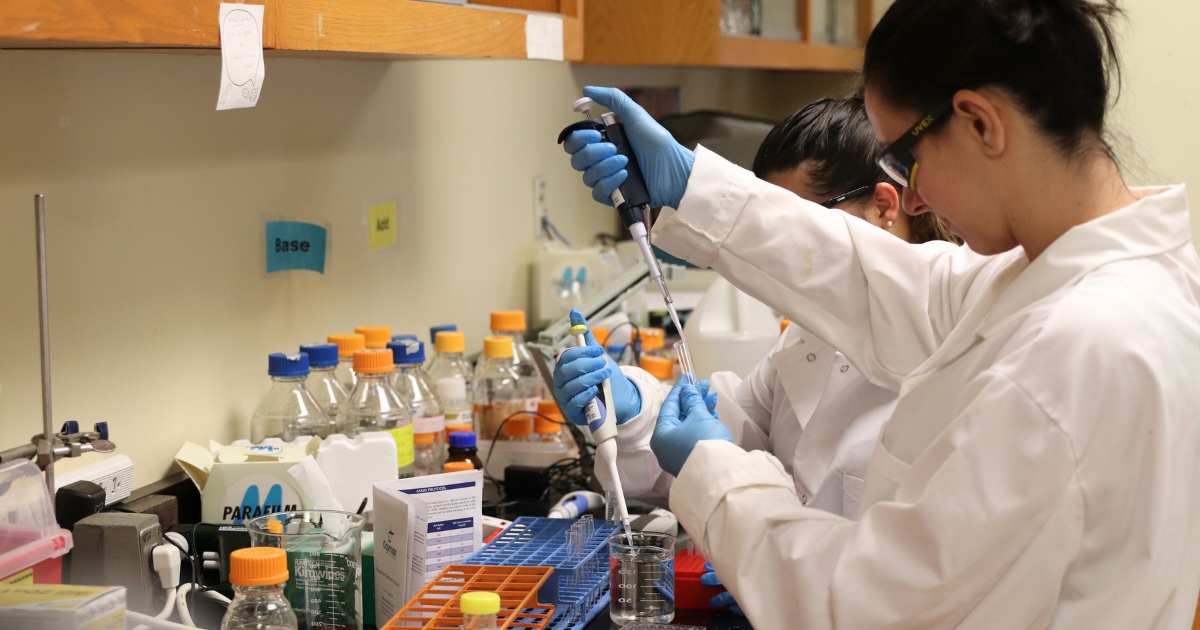
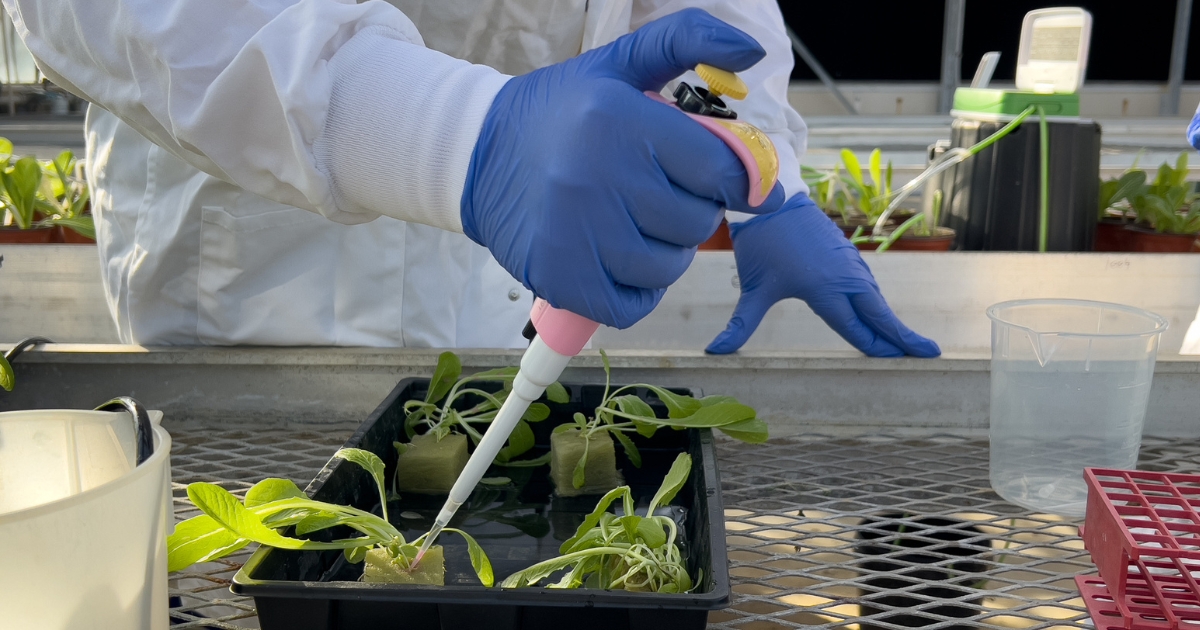
The College of Agriculture and Natural Resources' graduate programs, which include both funded and self-paying, are characterized by individualized advising, engaging coursework, and faculty who are personally committed to the success of their graduate students. Our campus includes newly renovated laboratories, a state-of-the-art greenhouse complex, modern computing facilities, wetlands and ecology woods, farm animal facilities, and agronomic field plots.
Funded M.S. and Ph.D. programs are characterized by highly competitive graduate stipends, cutting-edge research in basic and applied disciplines, and travel opportunities for participation in professional meetings. Our self-paying master's programs are coursework-based, offer more flexibility, and excellent student-to-faculty ratios.

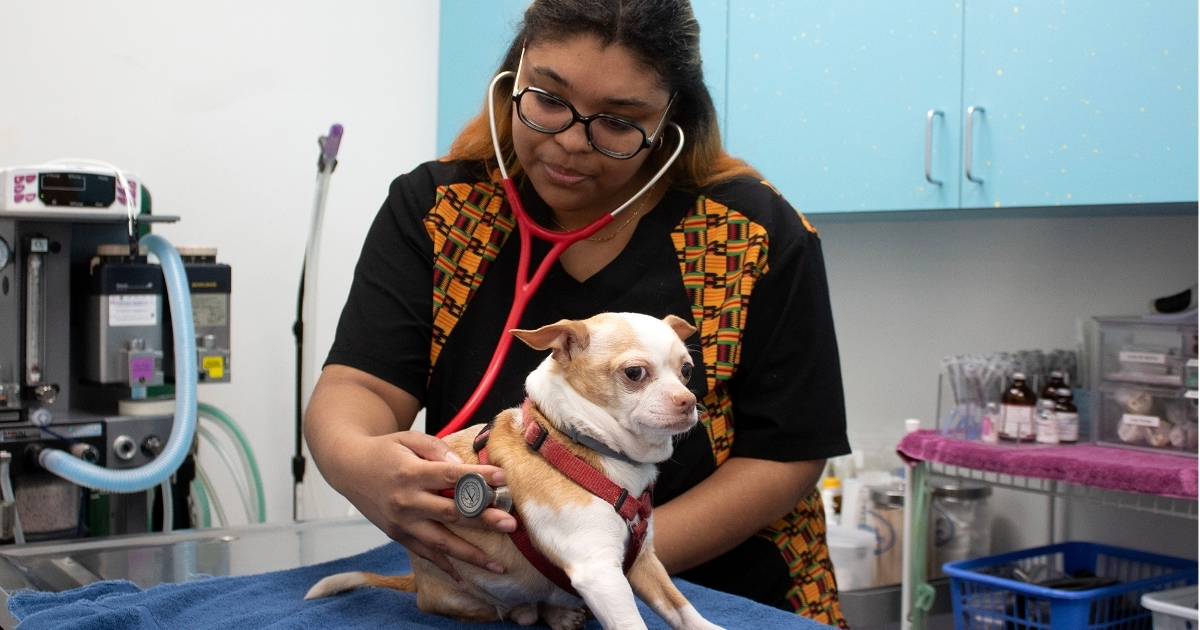
Animal and Food Sciences 4+1 Programs
Bachelor's + Animal Health


Bachelor's + Applied Animal Science


Bachelor's + Secondary STEM Education

Food Science + Food Technology


Applied Economics and Statistics 4+1 Programs



Entomology & Wildlife Ecology 4+1 Programs



DESIGNED FOR DISCOVERY
-
Graduate Programs | College of Agriculture and Natural Resources 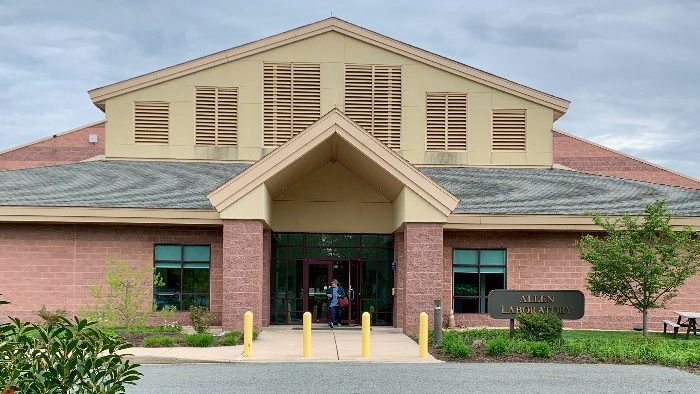
-
Graduate Programs | College of Agriculture and Natural Resources 
-
Graduate Programs | College of Agriculture and Natural Resources 
-
Graduate Programs | College of Agriculture and Natural Resources 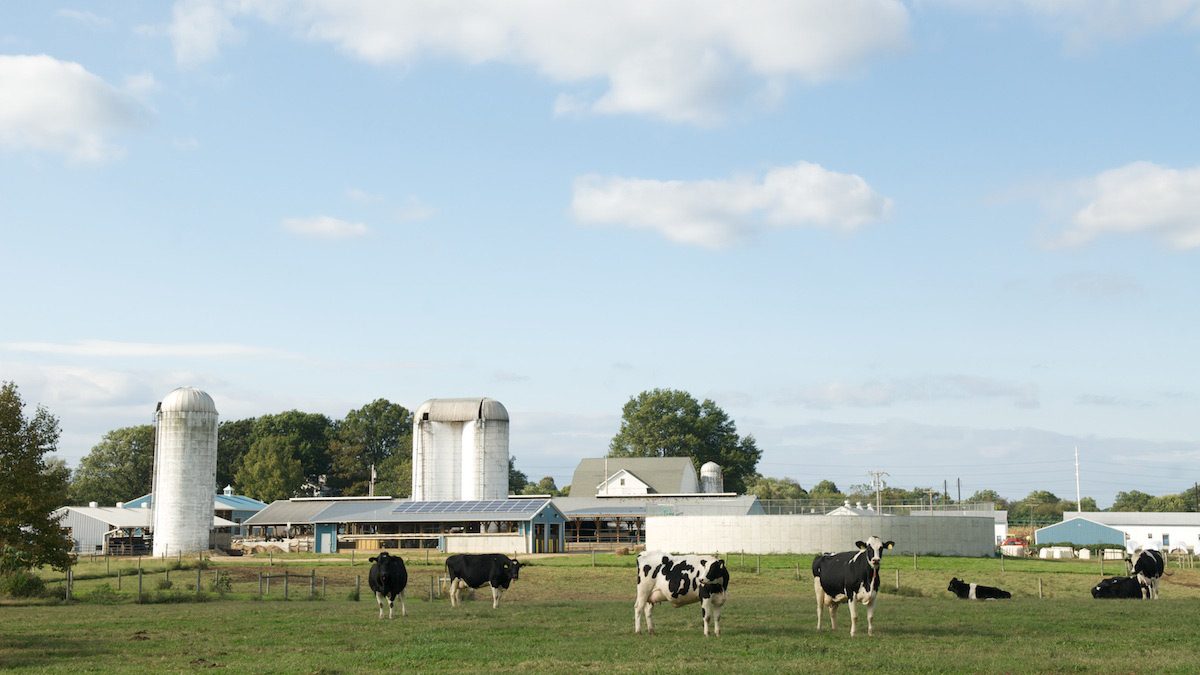
-
Graduate Programs | College of Agriculture and Natural Resources 
-
Graduate Programs | College of Agriculture and Natural Resources 
-
Graduate Programs | College of Agriculture and Natural Resources 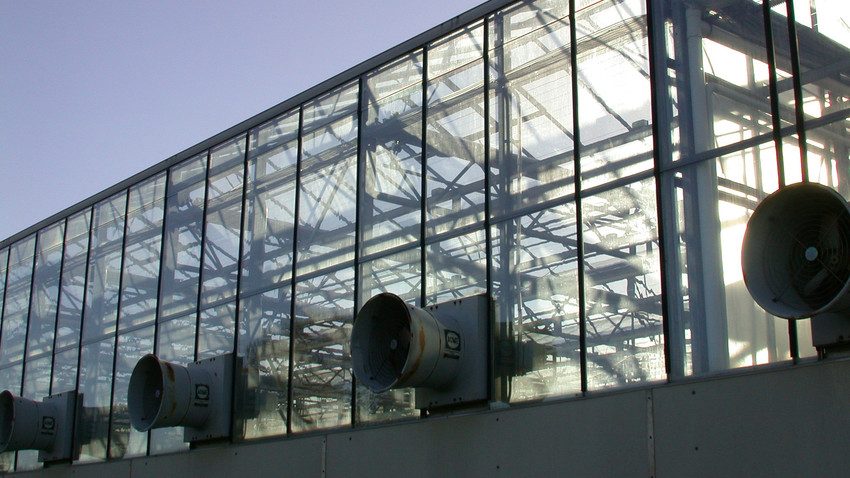
-
Graduate Programs | College of Agriculture and Natural Resources 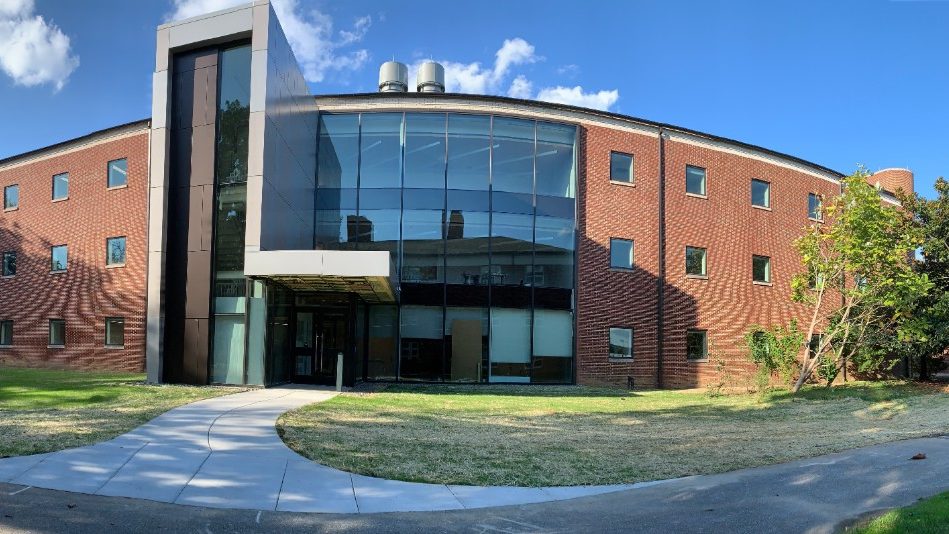
-
Graduate Programs | College of Agriculture and Natural Resources 
-
-
_800x533.jpg)
Kickstarting Mid-Atlantic Kernza
October 09, 2026 | Written by Katie PeikesKernza, the world’s first commercially available perennial grain, has been picking up steam in regenerative agriculture, a conservation approach focused on improving soil and ecosystem health. UD scientists teamed up with scientists from the U.S. Department of Agriculture’s Agricultural Research Service and the Massachusetts Institute of Technology to study and compare Kernza’s roots with the roots of common crops. -
Communicating plant stress
October 06, 2026 | Written by Katie Peikes | Photo illustration by Jeffrey C. Chase | Photos and video courtesy of Jung-Youn LeeUniversity of Delaware plant scientists have uncovered new knowledge that tiny nanopores called plasmodesmata send alert signals from cell to cell, generating a huge burst of hydrogen peroxide when a plant is wounded. The team recently published their findings in the journal The Plant Cell. The role of this burst of hydrogen peroxide is a key finding that could prove useful in engineering more climate-resilient crops. -
Next-gen soil scientists
September 10, 2026 | Written by: Molly Schafer | Photos courtesy of Moklesur Rahman and Shreeram InamdarDelaware high school students had the chance to get their hands dirty while learning about wetland ecology during a workshop led by researchers from the University of Delaware College of Agriculture and Natural Resources Watershed Sciences Research Group.