
First State Impacts

Browse available resources.
You have questions. We have answers!
Contact UD Extension staff.
Read our latest accomplishments!
Find out how YOU can get involved!
Hands-on experiential learning for UD undergrads!
Submit a sample today.
Analyses to help manage your land.
Chat with a DE Master Gardener.
Protect your flock.
Find exciting job opportunities!
A collage of impact images including a combine, soybeans, a happy family hiking and a garden bed.

Impact statements highlight the accomplishments of our Extension efforts.

2016-2024 impact statements are available below in both text and infographic format. 

Click on a topic and/or year. Multiple selections may not turn up with results if the Impact Statement is not tagged in multiple categories. Uncheck any years or topics that are not needed for best results.

Search First State Impacts


Filter by Topic Area

Filter by Year

All Results

Clear All Filters

Sorry, no results found.

  • Volunteers: The Heart of the Delaware 4-H Program

    Delaware 4-H volunteers help our program succeed. They teach, mentor, lead, support, and inspire—making sure 4-H members gain skills to last a lifetime.

  • Voices from the Field: Feedback on University Plant Diagnostic Clinic and Soil Testing Program (2024)

    The University of Delaware's Plant Diagnostic Clinic and Soil Testing Program provide essential diagnostic services to homeowners, gardeners, and agricultural professionals. We conducted an assessment of the diagnostic services offered by University of Delaware to ensure programs meet evolving clientele needs.

  • The Delaware Phosphorus Site Index Technical Guidance Manual

    Nutrients from point and nonpoint sources negatively affect water quality in Delaware. The nutrients of greatest concern are nitrogen (N) and phosphorus (P). Efforts to reduce nutrient enrichment of ground and surface waters are a high priority for state and federal agencies and of considerable importance to all nutrient users and nutrient generators in the state.


  • Teaching Students the Harms of Smoking Drugs and Alcohol and Instilling Refusal and Life Skills

    Drug prevention in Delaware is crucial for youth to learn facts about drugs, alcohol and prescription drugs. The Botvin LifeSkills Program has helped Delaware’s students build self-esteem, make better decisions and learn to be assertive when pressured to use.

  • Safeguarding Delaware’s Produce: Training Farmers to Prevent Illness and Economic Loss while Remaining Compliant with Rules (2025)

    The Delaware produce safety team training has helped growers improve food safety practices on their farms, ensuring that the food they produce is safe for people to eat. The training helps prevent foodborne illness, protecting vulnerable populations, ultimately building the general public’s trust and confidence in the food supply.

  • Protecting Sweet Corn From Corn Earworm

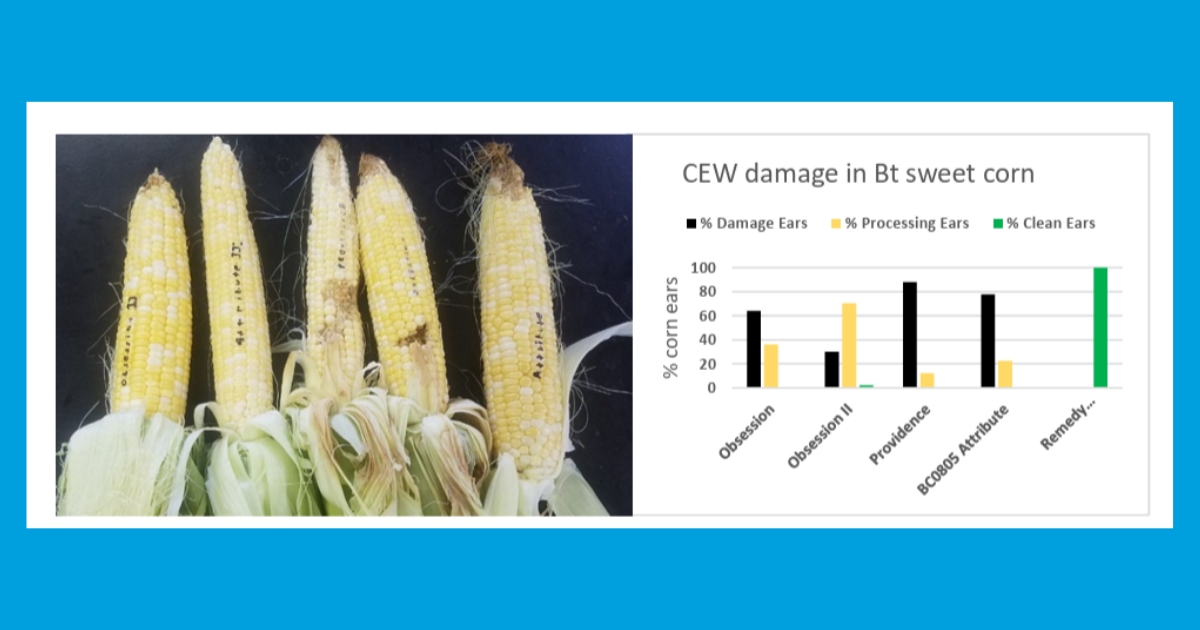
    Sweet corn is one of the few crops for which insect pests drive most of the pest management program. A number of caterpillar pests attack sweet corn, infesting ears and rendering the ear and the whole planting unmarketable. In addition, caterpillars will also attack whorl stage sweet corn, and other insect pests can occasionally cause economic damage by themselves to the ears. This document focuses on the primary sweet corn pest, the corn earworm. 


  • Protecting Plants and Pollinators through Crape Myrtle Bark Scale Research and Extension

    The data collected on Crape Myrtle Bark Scale crawler activity and resulting dissemination of information through extension programs allows green industry professionals to effectively apply insect growth regulators during the most vulnerable stage of this insect’s life cycle. This practice reduces the need for neonicotinoids as a pest control measure, thereby protecting both plant and pollinator communities.

  • Poultry Grower Basics Series (2018)

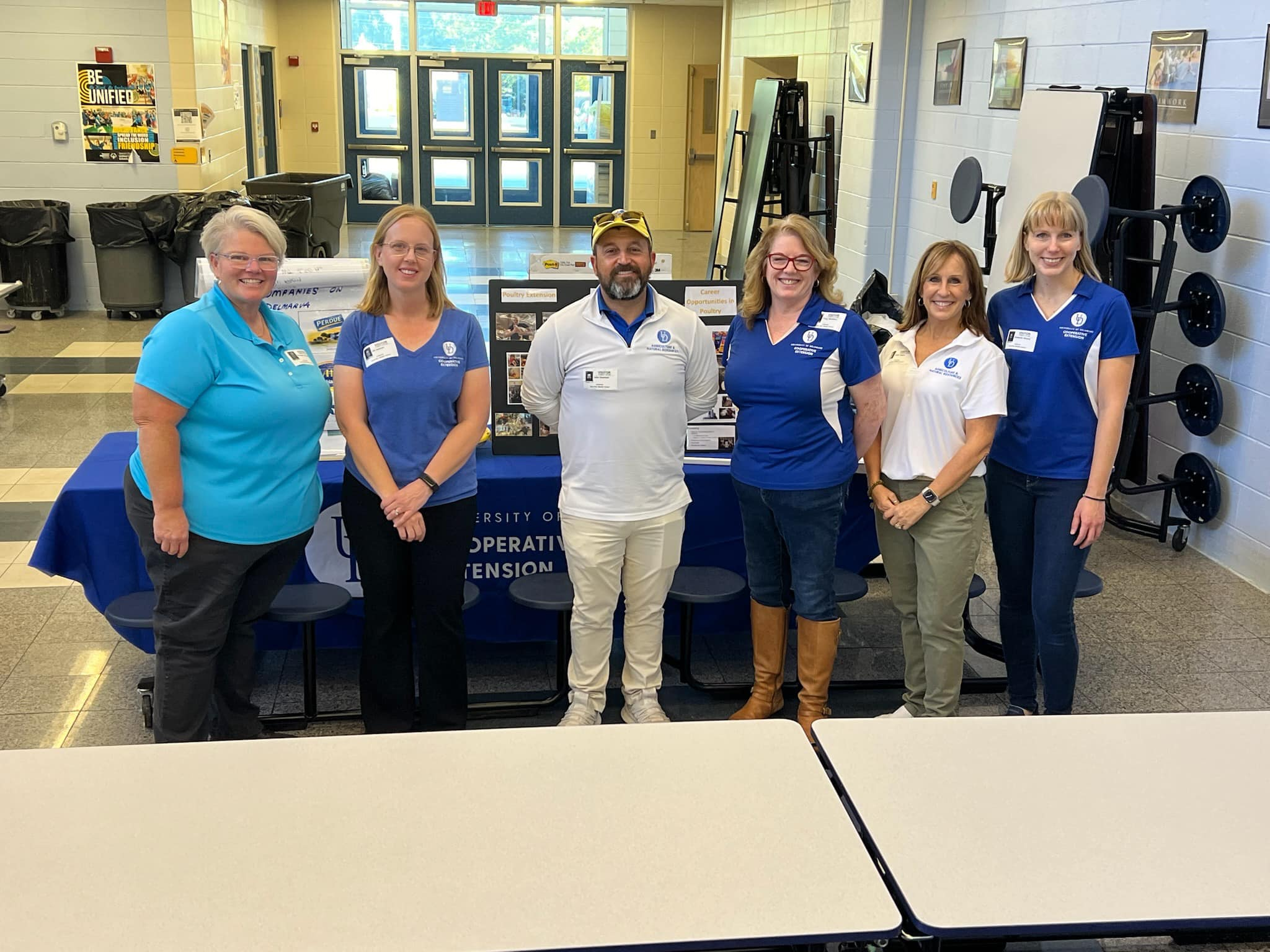
    During the 2018 Poultry Grower Basics Series, total attendance was 152 for all five programs. A total of 140 participants completed the program evaluation (92%). Respondents reported that a total poultry farm capacity of more than 9.3 million birds.

  • Mind Body Whole Wellness Tracker: Empowering Youth to Create Positive Health Habits (2024)

    The Mind Body Whole Wellness Tracker focuses on helping youth manage stress, mood and well-being through reflection and behavioral tracking. Developed in 2022 by the University of Delaware Cooperative Extension in collaboration with the National 4-H Council, the tracker offers an innovative platform for individuals to monitor their overall well-being.

  • Mapping With Drones: Optimal Times for Delaware

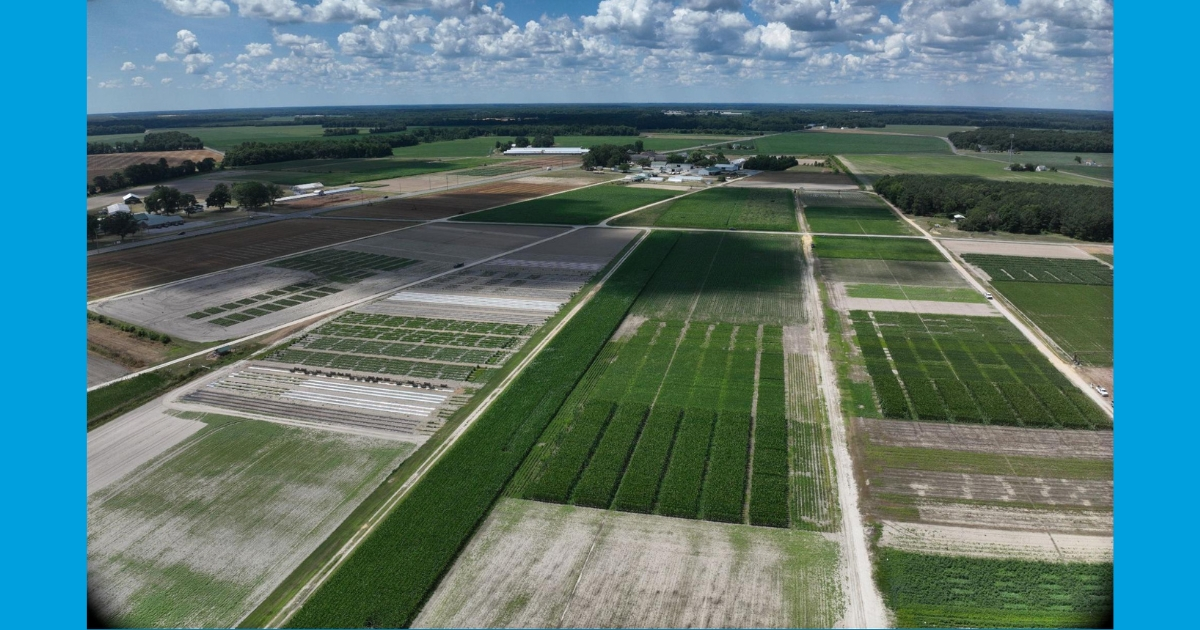
    When creating maps of field crops, one goal is to estimate plant health or responses to management. To achieve consistent imagery, drone flights must account for lighting conditions. While discussions often focus on avoiding variable cloud cover by flying on clear or overcast days, the sun’s angle also plays a critical role. 


  • Keeping Agriculture Service Providers in Compliance (2025)

    The Mid-Atlantic Crop Management School teaches agriculture professionals and farmers about the latest advancements for managing crops. Attendees can choose from different sessions where experts present research findings or new technology that will improve yields and minimize environmental impacts. Sessions help attendees maintain various professional certifications through continuing education credits.

  • Irrigation System Uniformity and Performance Testing (2024)

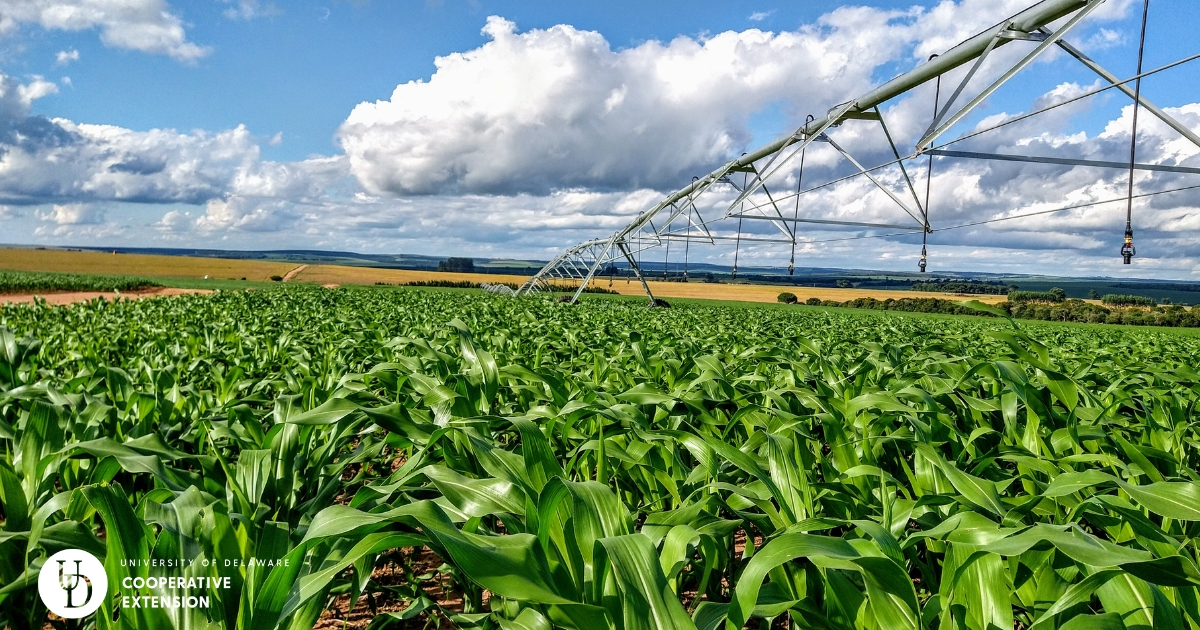
    Each irrigation system is designed to operate at a specific pressure. The water flow through each sprinkler depends heavily on this pressure, and larger nozzles are more sensitive to pressure changes. If the well yield or pump efficiency changes, it can significantly affect the pressure, which in turn impacts the water application rate and uniformity.

  • Increasing Community Cohesion and Healthy Food Exposure through Coalition Organized Community Dinner (2024)

     University of Delaware Cooperative Extension brought together 81 individuals representing 45 organizations to partner on projects to improve the health of Dover youth in the areas of mental health, education, and food access/physical health. Members of the Dover Youth Committee (DYC) planned and implemented three community dinners in 2024.

  • Improving Average Farm Season Bushel Price Through Outreach Education (2024)

    Profit margins related to the production of commodity crops, such as corn and soybeans, have decreased significantly compared to previous years. This financial strain stems from a multitude of factors, including a surge in input prices, commodity market volatility, and high-interest operating loans. Evaluating production costs and commodity price trends has a crucial function in ensuring the short-term and long-term sustainability of a grain operation

  • Growing Through Gardening Professional Development

    The Let’s Grow Outside initiative cultivates a growing network of early childhood educators transforming outdoor spaces into vibrant learning environments. This collaboration between Extension and DIEEC demonstrates the power of integrating environmental education into early childhood practice—planting seeds for lifelong curiosity, wellness, and connection to the natural world. Teachers gain the skills and confidence to implement and sustain edible gardens that enhance early learning. Gardens provide sensory, inquiry-based learning environments that foster curiosity, responsibility, and collaboration.

  • FFA Students Excel in Horticulture with UD Extension Help on a State and National Level

    The National FFA Organization offers opportunities for students to learn about and compete in events, exposing them to careers in this field.

  • Extension Puts the ‘Social’ in Social-Emotional Well-being in Mental Health Programs (2024)

     UD Cooperative Extension is in its second year of offering several group-style programs to support the development of mental health coping skills. These programs provide opportunities for competitive group play, storytelling, communication and empathy-building activities, and social-emotional-directed activities.

  • Extension Collaborative on Immunization and Teaching Engagement (2024)

    The University of Delaware Cooperative Extension developed and implemented  training to improve communication and promote vaccine education. This program was offered internally to the Expanded Food and Nutrition Education Program (EFNEP) team as well as externally to Community Health Workers (CHWs) through the Community Health Workers Association of Delaware. The training program uses a combination of didactic and practice-based learning for both CHWs and EFNEP paraprofessionals.

  • Exploring New Solutions to Solve Old Problems (2024)

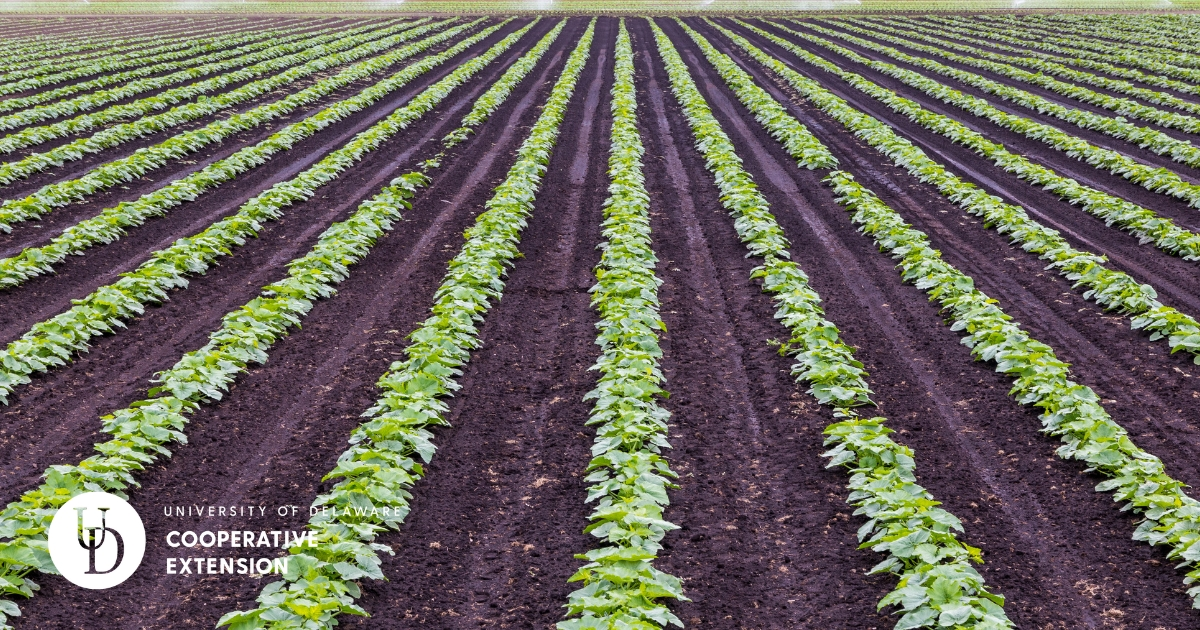
    Phytophthora fruit rot caused by the oomycete *Phytophthora capsici* is a major challenge to cucurbit production within the Mid-Atlantic region. Sandy soils in the Mid-Atlantic also favor the accumulation of root-knot nematode, *Meloidogyne incognita*, which significantly reduces yields across numerous cucurbit hosts and rotation partners. In recent years, the sporadic losses to Phytophthora fruit rot have increased in frequency and nematode populations are well above high economic threshold levels.

  • Equipping Providers to Monitor and Respond to Community Mental Wellness (2025)

    The University of Delaware is committed to enhancing mental wellness for all Delaware communities. Through educational initiatives like Mental Health First Aid, we provide critical education that increases the state's capacity to deliver essential support and services in areas with the greatest need.

  • Empowering Female Farmers With Farm Business Management Skills

    Annie's Project provides a vital networking platform for female farmers. Over the years, the program has expanded its reach to welcome all interested participants and has earned approval as a United States Department of Agriculture Farm Services Agency course for loan-seeking borrowers. By partnering with Extension Agencies and Land Grant Institutions nationwide, Annie's Project delivers its impactful courses to diverse communities. 

  • Eating Smart and Moving More Across Delaware (2024)

    The University of Delaware’s Cooperative Extension Expanded Food and Nutrition Education Program (EFNEP) provides a minimum of 6 hours of interactive, hands-on education. The program focuses on developing participants’ skills to make healthy food choices based on their budget, use their resources wisely, handle food safely, and participate in physical activity each day.

  • Delaware Youth are Eating Healthier and Getting Fit (2025)

    The Expanded Food and Nutrition Education Program enhances the health and well-being of youth throughout Delaware by introducing them to new healthy foods, improving their food safety practices, promoting physical activity, and increasing their overall knowledge of healthy eating.

  • Delaware Master Naturalist Jamboree builds naturalist skills and strengthens the network (2024)

    The Delaware Master Naturalist core training creates and strengthens the knowledge foundation for Delaware natural history and conservation efforts. The Delaware Master Naturalist Jamboree gathers certified Delaware Master Naturalists from across the state for a day of learning and networking. Each year, Jamboree speakers provide training on topics including interpretation, nature photography, invasive plant management, and wildlife rehabilitation.

  • Delaware Master Gardeners Provide On-Site Garden Advice Program to Homeowners in New Castle County (2024)

    Master Gardeners provide on-site technical assistance to homeowners who request advice and guidance through GAP. From April through October each year, small teams of Master Gardeners conduct site visits to these homeowners’ properties. In the homeowners’ applications to the program, they identify their site characteristics, problems, and issues, and rank their landscape priorities

  • Delaware 4-H, Growing Tomorrow's Leaders Today (2024)

    4-H, America’s largest youth organization, has a history of providing youth with hands-on learning experiences and cultivating leadership qualities in young people. Leadership development is essential in nurturing the next generation of leaders to impact their communities, country, and world. Helping youth develop leadership skills is crucial for their personal and societal development, enabling them to navigate challenges and contribute to positive social change.

  • Delaware 4-H for Health Challenge (2018)

    Childhood obesity and its health impacts are well known. The national childhood obesity rate is 18.5% with one-third of children being overweight or obese. The rates vary among age groups, but rise as children get older. 

  • Delaware 4-H Camps Help Youth Find Their Spark

    Delaware 4-H Day Camps help young people discover their “sparks” — the passions and interests that inspire learning and growth. Through hands-on activities and teen-led experiences, youth build confidence, purpose, and strong relationships with caring mentors. These experiences create motivated, capable young people who contribute positively to their schools and communities, strengthening Delaware’s future.

  • Creating Lasting Financial Well-Being for Adults (2025)

    The Financial Well-Being Program, collaborating with the Seaford Community of Hope, enhances Seaford’s economic resilience by equipping adults with essential skills in money management, budgeting, and savings. By helping residents build confidence and financial stability, the program reduces financial stress, supports stronger families, and contributes to a more self-sufficient and hopeful community.

  • Cooperative Extension Takes Field Trips to a New Level (2024)

    School field trips are an important part of a child’s education for many reasons.  They provide students the opportunity to step outside of their comfort zone and be exposed to a variety of things they may not otherwise be able to explore. Field trips offer the opportunity for hands-on learning and critical thinking skills. They can also help students meet new people and learn about new skills and careers.

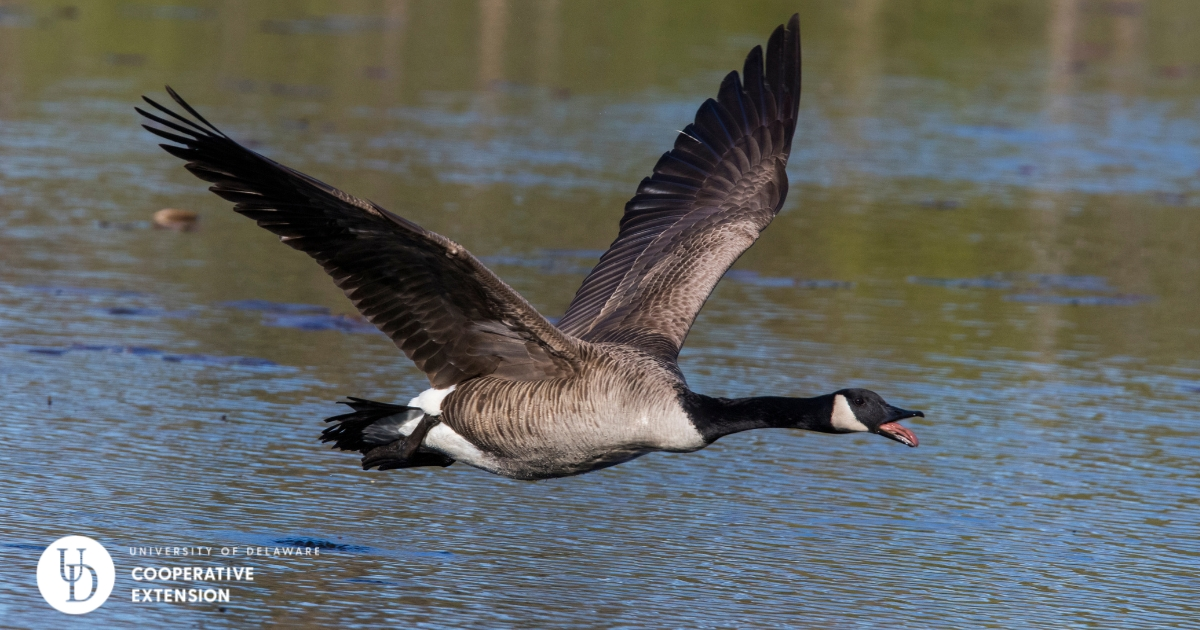
  • Canada Goose

    Canada geese (Canadian Geese) are highly recognizable waterfowl which can be identified by their black head, tail, and necks with a white chin and black bill.  Their wings are a dark grey, and breast are a lighter grey or brown.  Males are slightly larger than females and they range in size from two to three feet in height and weigh between seven and fourteen pounds.


  • Blueberry Production Research and Education (2018)

    The UD Extension Vegetable and Fruit Research Program collaborated with blueberry grower Hail Bennett to conduct research to determine which varieties perform well in Delaware, test low-cost or free mulch materials and soil amendments, develop recommended practices for establishing and maintaining blueberries and clarify nitrogen fertilization recommendations.

  • Adjusting Nitrogen Rate Recommendations For Agronomic, Forage/Hay, and Vegetable Crops in Delaware

    Nutrient recommendations for most essential elements are based upon soil test calibration studies. These calibration studies relate the likelihood of a profitable plant response to nutrient addition with the nutrient concentration in the soil as measured by a soil test. However, nitrogen (N) is not included in routine soil analysis because it is not possible to test soils in advance of planting and accurately predict the need for N fertilization.


  • A Comparison of Methods to Determine Lime Requirement

    Maintaining an optimal soil pH is crucial for maximizing crop yields and promoting overall soil health. The optimal soil pH is typically between 5.5 and 7.0 for most crops growing in Delaware. Maintaining an optimal soil pH ensures that essential nutrients are readily available for plant uptake and minimizes the potential for toxicity from elements like aluminum (Al) and manganese (Mn), which can become harmful in overly acidic conditions.

  • 4-H and College Preparation (2018)

    A survey was developed and sent to current or former Delaware 4-H members who were 18- to 29-years-old. The survey requested anyone in this group who currently or previously attended college to respond on how their 4-H membership assisted them in being prepared for their college experience. 

  • 1
  • 2
  • 3
  • 4
  • 5
  • 6
  • 7
  • >>